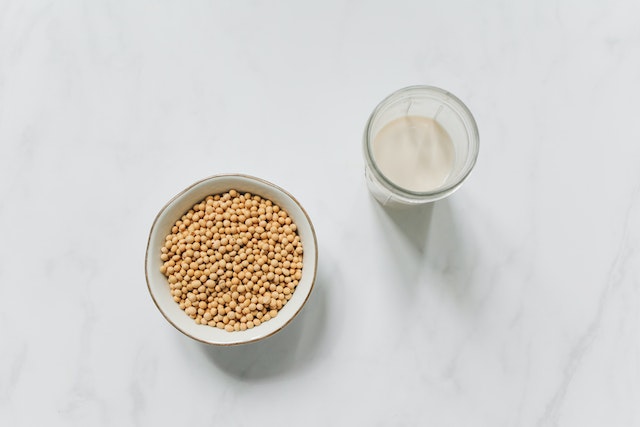
เวย์ โปรตีนถั่วเหลือง กับข้อเท็จจริงที่ว่า กินแทนกันได้ไหม
เวย์ โปรตีนถั่วเหลืองคืออะไรต้องอธิบายก่อนว่าเวย์โปรตีนกับโปรตีนถั่วเหลืองไม่ได้ มีแหล่งที่มาต่างกันจึงทำให้หลายคนเกิดคำถามในใจว่าสามารถกินแทนกันได้ไหมหรือเลือกทานแบบไหนดีใน ปัจจุบันมีทั้งผลิตภัณฑ์อาหารเสริมเวย์โปรตีนและโปรตีนถั่วเหลืองให้คุณเลือกมากมายหลายยี่ห้อ ส่วนมากมาในรูปแบบผงสำหรับชงดื่ม หลายๆ แบรนด์มีการปรับปรุงและพัฒนาสูตรให้ดื่มง่ายรสชาติดีขึ้น อย่างที่ทุกคนทราบกันดีว่าเทรนด์สุขภาพมาแรงมาก ผลิตภัณฑ์อาหารเสริมในรูปแบบผงสำหรับชงดื่มอย่างเวย์ โปรตีนถั่วเหลืองจึงกลายมาเป็นทางเลือกใหม่เพื่อสุขภาพ ทั้งเวย์โปรตีนและโปรตีนถั่วเหลืองต่างก็มีข้อดีและมีคุณประโยชน์พอกันๆ โปรตีนถั่วเหลือง ซอยโปรตีนหรือโปรตีนถั่วเหลือง จุดเด่นคือเป็นโปรตีนจากพืชไม่มีคอเลสเตอรอลและมีไขมันน้อยแตกต่างจากโปรตีนที่ได้จากเนื้อสัตว์แม้มีโปรตีนสูงแต่กลับเต็มไปด้วยคอเลสเตอรอลและไขมันเมื่อรับประทานเยอะๆ จึงมีผลเสียต่อร่างกายมากกว่าผลดีโปรตีนเนื้อสัตว์อาจทำให้เป็นโรคอ้วนหรือเป็นโรคไขมันในเลือดได้ ดังนั้น หลายคนจึงหันมารับประทานโปรตีนถั่วเหลืองเป็นทางเลือกทดแทน โปรตีนถั่วเหลืองยังเหมาะสำหรับกลุ่มคนที่ทานเจหรือทานอาหารแบบมังสวิรัติด้วยเพราะเป็นโปรตีนที่มาจากพืช 100% โปรตีนถั่วเหลืองไอโซเลตเป็นโปรตีนถั่วเหลืองที่ไม่ผ่านการตัดต่อพันธุกรรมมีการสกัดเอาไขมันและกากใยออก เหลือโปรตีนที่มีความเข้มข้นสูงสุดถึง 90% ร่างกายสามารถดูดซึมได้อย่างรวดเร็วและนำไปใช้งานได้อย่างมีประสิทธิภาพ นับเป็นโปรตีนที่มีประสิทธิภาพมากกว่าโปรตีนในรูปแบบปกติทั่วไป เวย์โปรตีน เวย์โปรตีนเป็นแหล่งโปรตีนคุณภาพสูงสกัดมาจากนมวัวมีกรดอะมิโนครบถ้วนมีประโยชน์ต่อร่างกายมันคือผลพลอยได้จากกระบวนการทำเนยแข็ง เวย์โปรตีนถูกสกัดเอาไขมันและคาร์โบไฮเดรตออกจึงมีโปรตีนเข้มข้นสูง อย่างเช่นเวย์โปรตีนไอโซเลตมีโปรตีนเข้มข้นถึง 90% เวย์ โปรตีนถั่วเหลืองกินแทนกันได้ไหม เวย์โปรตีนกับโปรตีนถั่วเหลืองต่างมีส่วนช่วยในการเสริมสร้างมวลกล้ามเนื้อ สำหรับคนที่ออกกำลังกายเวย์โปรตีนอาจเหมาะสมมากกว่าเพราะมันโดดเด่นในการเสริมสร้างมวลกล้ามเนื้อ แม้โปรตีนถั่วเหลืองจะมีส่วนช่วยเสริมสร้างกล้ามเนื้อเช่นกัน แต่ไม่เป็นที่นิยมมากนักสำหรับคนชอบออกกำลังกาย อย่างไรก็ตาม หากคุณมีปัญหาแพ้ผลิตภัณฑ์จากนมวัวหรือทานเจและทานมังสวิรัติ โปรตีนถั่วเหลืองนับว่าเป็นทางเลือกที่ดีกว่าแน่นอน รวมถึงกลุ่มคนที่ต้องการลดน้ำหนักหรืออยู่ในช่วงควบคุมอาหาร โปรตีนถั่วเหลืองนั้นช่วยทำให้เราอิ่มท้องได้นานไม่หิวบ่อยไม่ทานจุกจิกระหว่างวันมีส่วนช่วยในการควบคุมน้ำหนักหรือลดน้ำหนักได้ มีงานวิจัยชิ้นหนึ่งที่ได้ทำการทดลองให้ผู้เข้าร่วมทดลองกินโปรตีนถั่วเหลืองแบบผงสำหรับชงดื่ม ปรากฏว่าลดน้ำหนักได้มากกว่าอีกกลุ่มถึง 2 กิโลกรัมเลยทีเดียว เวย์ โปรตีนถั่วเหลืองกินแทนกันได้ไหม ควรเลือกผลิตภัณฑ์ที่เหมาะสมกับคุณมากที่สุดจะดีกว่า
Read More »